Faux vs. Real Plants: Which Is Right for Your Space?
November 11, 2026 · 785 words · faux vs real, plant care, artificial plants, home decor
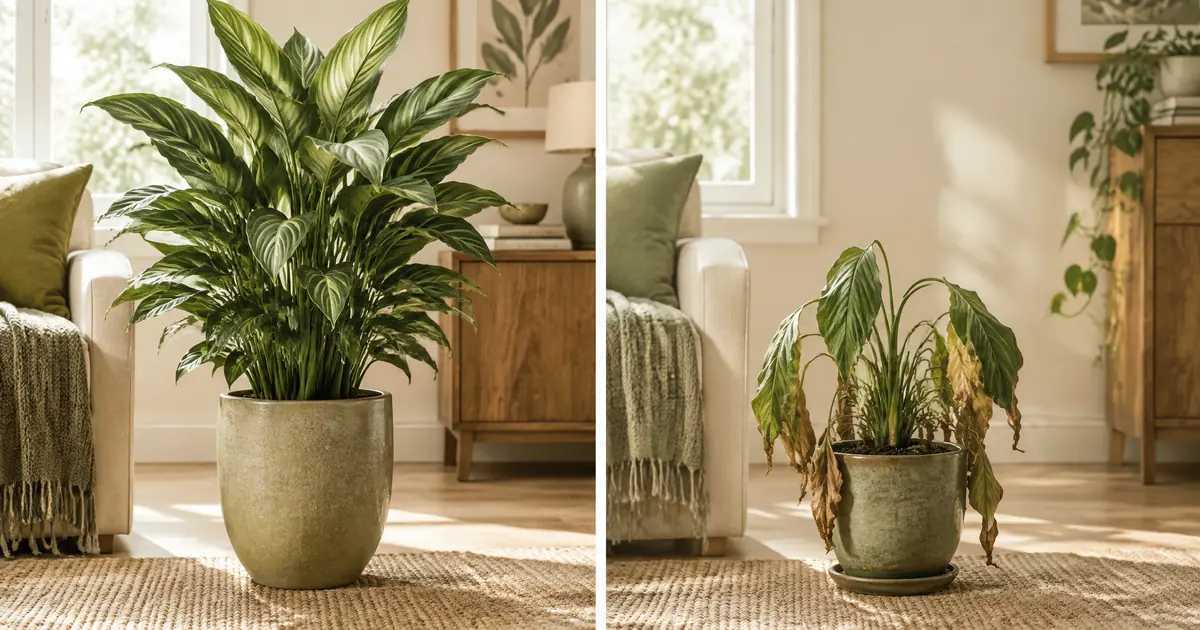
We'll be upfront about who we are: Oliveanddew sells artificial plants, so you can guess which side we'd root for. But this isn't a sales pitch dressed as advice. Real plants are wonderful, and in some situations they're the only right answer. The goal here is an honest framework for deciding, room by room, where each one belongs.
The honest case for real plants
Real plants photosynthesize, which means they genuinely change the air and the microbiology of a room. Some people find the routine of watering meditative. And certain varieties, like pothos or snake plants, are forgiving enough for beginners. If you have good light, a consistent schedule, no allergies and no pets that chew leaves, real plants can be a rewarding hobby.
The honest costs: they need the right light, they can outgrow or die in their pots, they can trigger allergies, many common varieties are toxic to cats and dogs, and they demand attention when you travel. A neglected real plant doesn't pause; it declines in public.
The honest case for faux plants
A well-made artificial plant asks nothing of you. No watering schedules, no light requirements, no repotting, no drooping when you leave for two weeks. For many homes, that's not laziness; it's the only way greenery survives real life.
Where faux wins outright
- Low-light rooms. North-facing rooms, interior bathrooms and hallways can't support most real plants. Faux ferns and pines thrive in darkness.
- Pet households. Many popular houseplants are toxic if chewed. An artificial Norfolk pine or cedar is decoration, not a hazard.
- Allergy sufferers. No pollen, no mold in damp soil, nothing in the air at all.
- Frequent travelers and rentals. Greenery that looks identical the day you return from a three-week trip.
- Commercial spaces. Cafes, offices and staged homes need to look good every single day with zero horticultural staff.
The comparison that actually matters: cost over five years
A quality faux tree costs more upfront than a real one from a garden center. Run the five-year math, though. A real plant's true cost includes pots as it's repotted, soil and fertilizer, replacement when it dies (most houseplants don't live five years), and, if you travel, pet-sitting or plant-sitting. A faux tree costs nothing after purchase beyond an occasional dusting. Our 5ft Cedar Topiary will look the same in year five as the week it arrived, which no real plant at that price can promise.
It isn't either/or
The healthiest approach in most homes is a mix. Put real plants where conditions are genuinely good and you enjoy the care: a sunny windowsill, a bright kitchen. Use faux where conditions or lifestyle make real greenery a losing bet: dark corners, vacation homes, storefronts, the bathroom, anywhere a pet patrols.
A practical rule: if a spot would need a grow light for a real plant to survive, it's a faux-plant spot. Our Norfolk Pines and Soft-Touch Cypress & Cedar Tree are made for exactly those places.
Room-by-room: where each side wins
Real plants win in bright, lived-in rooms
A sunny living room you occupy daily is real-plant territory. You're there to notice when it's thirsty, the light is genuine, and the plant becomes part of the household rhythm. Herbs on a kitchen windowsill are the classic example: real wins, and you eat the payoff.
Faux plants win everywhere conditions are hostile
Dark corners, bathrooms, unheated hallways, vacation homes, and any surface within reach of a cat. A pair of porch cedars looks the same through a heatwave and a cold snap, which no live topiary can promise.
What to check before buying faux
If you go the artificial route, quality decides everything. Look for varied leaf coloring and realistic veining, natural-looking trunks, weighted pots, and honest dimensions. Be wary of listings that dodge the word "artificial"; reputable sellers say it plainly, and so do we, on every product page.
The maintenance question, stated plainly
Ask yourself honestly what happens in week three. If the answer is "I water everything and enjoy it," real plants will thrive with you. If the answer is "I notice the soil is dry and feel a little guilty," you already know how that story ends. Faux plants exist for the second answer, and there's no shame in it: the goal is a home that feels green and calm, not a second job.
The bottom line
Choose real plants when you want the hobby and your space supports it. Choose faux when you want the look, the calm and the greenery without the dependency. Most homes are happiest with both. If you're ready to see how far modern artificial plants have come, browse the collection; every photo shows exactly what arrives at your door.